We often hear that grief is the price we pay for love. I believe that’s true. But after I lost my daughter Maya, I gradually realised it wasn’t the whole story.
It is also about the space someone occupied in the landscape of our lives.
The Invisible Shape of a Life
Imagine taking one tree out of a forest. The tree is gone, and so is its shade, the birds that lived there, the roots underground, and the way the light looked each morning. The forest is changed.
Our lives are like that.
The people we love become part of our everyday lives, not just through love, but through countless small moments. Maybe it’s the person you make tea for, the quick messages you send, the chair they always sit in, the talks at the end of the day, the shows you watch together, the school runs, or the routines you barely notice anymore.
When someone dies, all those little things vanish too. Daily life takes on a new shape.
Why Grief Is Different for Everyone
Two people can lose someone they both love deeply, but their grief might look very different. It’s not about loving more or less, but about the unique place each relationship held in their lives.
When someone dies, their young child might grieve for the parent who was their whole world. An adult child might feel grief differently after years apart. A spouse may mourn the loss of the person they shared every day with.
None of these experiences are bigger or smaller than the others. They’re just different.
Grief takes the shape of the life that’s been changed.
We Grieve More Than a Person
When we lose someone, we also lose the future we pictured with them.
There are conversations that will never happen, holidays and birthdays that feel different, and the familiar voice calling our name is gone. Even the smallest habits can suddenly feel huge.
You reach for your phone. Then remember.
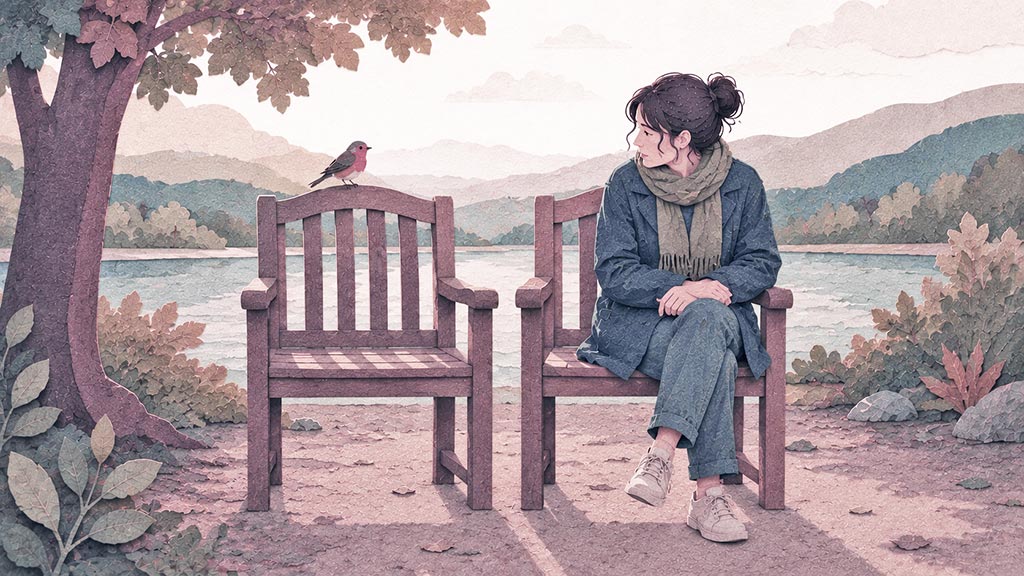
You set out two cups, then pause.
You hear a song, and for a moment, it feels like life is split into before and after.
Grief isn’t just missing someone. It’s learning to live in a world that no longer feels the same.
The Body Grieves Too
Grief isn’t just emotional. Our bodies remember all the routines we shared with someone—walking together, cooking, sleeping side by side, sharing meals, or listening for their footsteps.
Those routines don’t vanish right away. Our bodies still expect what our minds know is gone.
Maybe that’s why grief can feel so physical. It’s not that something is wrong, but that our whole life is slowly learning a new shape.
There Is No Right Size for Grief
People often compare their grief. They wonder if they’re grieving too much or not enough, if they should move on, or if they’re letting down the person they lost.
But grief isn’t a contest or something you can schedule. It’s just a natural response to a world that’s changed.
Every relationship leaves its own space behind. Each person finds their own way to adjust to that new world.
Love Doesn’t End
One quiet surprise about grief is that love doesn’t go away. The relationship, the conversations, and the routines may change, but love often stays.
Sometimes love becomes gentler, less painful, and less urgent. It settles into memories, into gratitude, and into all the ways the other person is now part of us.
The person may not be with us anymore, but in many ways, they still walk with us.
Living With the New Landscape
Maybe healing isn’t about filling the empty space.
Some spaces should stay. They remind us that someone was important.
Instead, healing means slowly learning how life is different now. It’s about finding new paths, letting joy come back without guilt, and carrying love without only feeling pain.
Grief isn’t just about someone leaving. It’s also about how life slowly learns to grow around what can never be replaced.