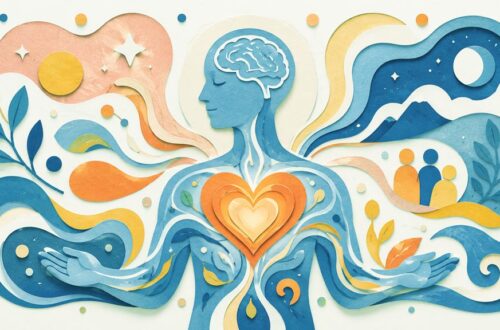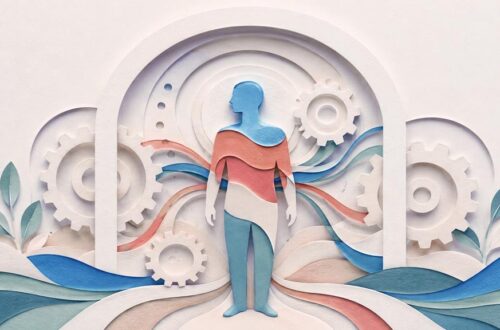

Life is not something we meet only with the mind. We meet it through the body, which senses and responds; through the heart, which notices what matters; through the mind, which tries to make sense of things; through identity, which shapes what feels possible; and through the environment, which quietly influences the whole system. Together, these make up what I call the Human Vehicle.
When I use the word vehicle, I do not mean that we are machines. I mean the living structure that allows consciousness to enter, to experience, and to take part in life. Much like a musical instrument shapes sound, the Human Vehicle lets our inner life be felt, understood, expressed, and lived.
The Five Parts of the Human Vehicle
We can begin to understand the Human Vehicle by looking at five interconnected parts:
1. The Body: the ground of experience
The body is our closest link to physical life. It feels sensations, holds memories, and responds to the world before the mind has time to catch up. Tension, tiredness, comfort, restlessness, and resistance are all ways the body speaks. It does not use words, but communicates through feeling, movement, energy, and need.
2. The Heart: the knower of value
The heart knows what matters to us. It responds to love, beauty, connection, loss, meaning, and longing. Sometimes it is drawn to something before the mind can explain why. Sometimes it grieves what the mind thinks should be let go. The heart does not work like the mind. Its wisdom is quiet and simple: This is precious. This is true for me. This matters deeply.
3. The Mind: the maker of meaning
The mind helps us make sense of experience. It compares now with the past, imagines what could happen, explains, and searches for answers. This is a valuable gift. The mind lets us plan, communicate, learn, and manage daily life. But it is only one part of us. When the mind tries to take over, it can ignore the body, quiet the heart, or mistake fear for reason. Even a clever explanation can leave us feeling divided inside.
4. Identity: the one we believe ourselves to be
Identity is how we see ourselves from within. It includes the roles we play, the traits we believe we have, the stories we tell ourselves, and the limits we imagine for what we can become. If I believe I must always be strong, I may overlook my need for rest. If I believe I am responsible for everyone’s happiness, another person’s disappointment may feel like my own failure. If I have known myself through my work, a time without work can feel like losing myself.
Identity does more than describe our experience. It helps us organise it.
5. Environment: the world that enters us
We are not separate from the world around us. People, places, culture, family, work, noise, beauty, information, and the mood of a place all touch us. Some environments help us relax and open. Others make us tense, overwhelmed, or divided inside. Noticing how the environment shapes us does not remove our responsibility. It simply helps us understand more clearly what we are responding to.
One Living System
These five parts are not separate. They are always in conversation with each other. A thought can make the body tense. The way the body feels can shift how the mind sees things. The heart can feel a longing that stirs our sense of self. The environment can help us feel more at home in ourselves, or more distant from who we are.
Imagine someone is offered a new opportunity. The mind sees the benefits and begins to plan. The heart feels a spark of excitement. The body grows tense. Identity whispers, People like me do not do this. The world around them offers both support and caution.
Which response is the truth?
The Human Vehicle does not ask us to choose one voice and silence the others. It invites us to listen more closely. Perhaps the body feels real danger, or holds an old fear. Perhaps identity is trying to protect a familiar self. Perhaps the heart sees a new path that the rest of us is not quite ready for.
Understanding grows when these parts are able to speak to each other.
Feelings Can Come From Different Places
We often hear, Trust your feelings, as if every feeling comes from one clear and reliable place. But feelings can arise from anywhere in the Human Vehicle. Thinking about the future can make us anxious. The body might be tired or overstimulated. The heart could be responding to real loss or longing. Identity might feel threatened. Sometimes the mood of a place touches us before we even notice. Old experiences can also be stirred by what is happening now.
This does not mean we cannot trust our feelings. It means they are signals that deserve our attention, but they are not always instructions we must obey.
Instead of only asking, What am I feeling?, we can also wonder: Where might this feeling come from? What is it trying to show me? Which part of me is speaking, and have I listened to the others?
What Is Coherence?
When the different parts of the Human Vehicle are in conversation, we begin to feel more whole and connected.
Coherence does not mean every part agrees, or that we always feel calm or positive. The heart might long for something that frightens the body. The mind might see what is needed, but the heart may need time to catch up. Coherence means that no essential part of us has to disappear for life to move forward.
The mind can listen without needing to take over. The heart can speak without overwhelming us. The body can send signals without being seen as a problem. Identity can shift, rather than always defending the past. We can notice the environment’s influence without letting it decide who we are.
When these parts are in conversation, a direction can slowly appear that the whole self can follow.
This is why we cannot force alignment. Trying to force agreement only creates more inner conflict. Real coherence grows through awareness, gentle communication, and trust.
From Inner Experience to Outer Life
The purpose of the Human Vehicle is not endless self-analysis.
A vehicle is meant to move. When we realize something inside, it needs a way to become words, choices, boundaries, creativity, or action. Love asks to be shown. Insight wants to shape how we act. Desire needs a path into life. Sometimes we know something inside but cannot act on it yet. The heart knows, the mind agrees, but the body freezes or identity resists. The movement has reached part of us, but not all. Our work is not to blame ourselves for not acting. Instead, we can notice where things are stuck and gently reconnect.
When the Human Vehicle is more coherent, we do not become perfect. We become more present in our lives. What we know inside can move more gently into how we live.
Human Vehicle and Feeling Range
The Feeling Range and the Human Vehicle describe different, but closely linked, parts of our experience.
The Feeling Range explores how feelings move and change: how wide, deep, strong, and lasting our feelings are, and how much of the world we let in. The Human Vehicle looks at the whole system that receives, understands, and carries experience into life. Simply put:
Feeling Range asks: How do I feel?
Human Vehicle asks: What inside me is feeling, understanding, and reacting, and how do these parts work together?
Knowing your Feeling Range helps you notice how experience moves through you. Knowing your Human Vehicle helps you see where that experience begins, how it moves inside you, and whether it can become clear action.
You can begin with whichever path feels right for you. Together, they offer a fuller picture—not just of what you feel, but of how your whole self meets and lives the experience of being alive.